







Search Results for: Second Pour-Over
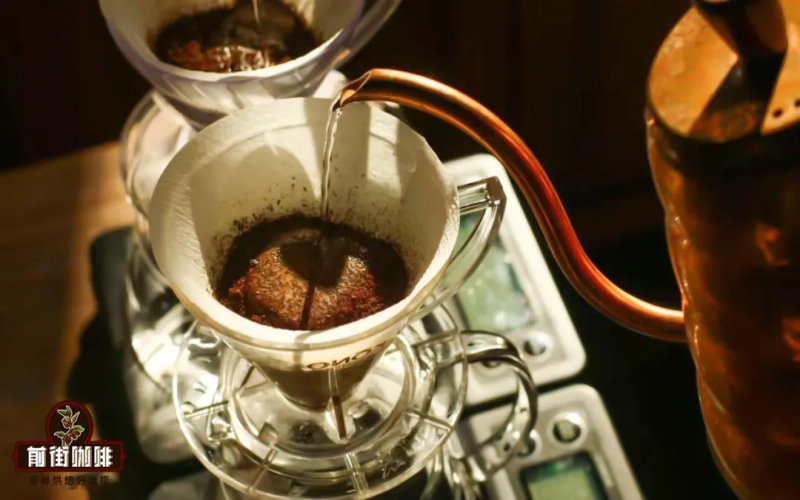
How long should you actually wait during the bloom in pour-over coffee? An analysis of the measured difference between 30 seconds and 60 seconds
Blooming is an almost indispensable step in pour-over coffee. Typically, we pour a small amount of hot water to wet the coffee bed, then wait for about 30 seconds. This seemingly simple pause—how much does it actually affect extraction? If we extend the time to 60 seconds, will the coffee taste better? Front Street conducted comparative brewing experiments with three coffee beans of different freshness levels, measuring the extraction yield difference between a 30-second and 60-second bloom, explained the mechanism of blooming from the perspective of carbon dioxide release, and offered blooming time recommendations suitable for beginners. [more…]
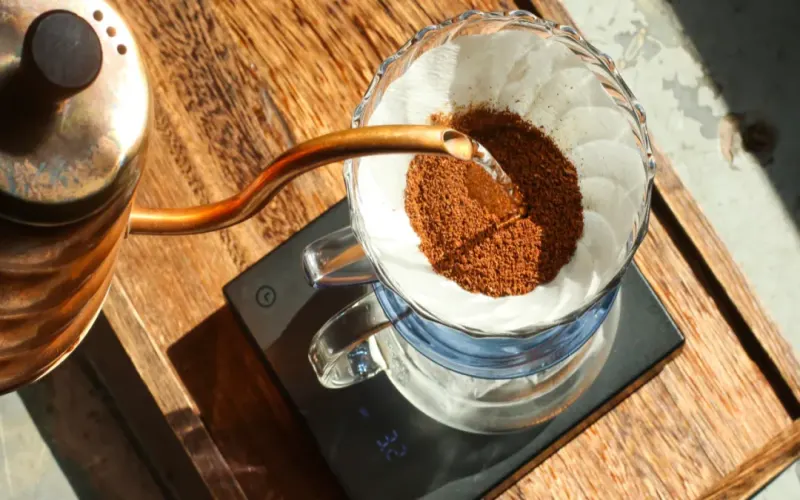
How Should the Bloom Time for Pour-Over Be Defined? Does It Count from the Moment Water Is Poured or from When Pouring Ends? A Full Analysis of the Difference Between 30 Seconds and 60 Seconds
In the pour-over coffee process, blooming is a step that seems simple yet often raises questions. Many people default to 30 seconds, but are not quite clear about when this duration actually starts, nor are they sure what changes extending it to 60 seconds or shortening it to 20 seconds will bring. Front Street Coffee conducted multiple sets of comparative experiments, testing the performance of no blooming, 30-second blooming, 45-second blooming, and 60-second blooming on coffee beans of different freshness levels. This article will focus on the core purpose of blooming—releasing carbon dioxide and improving extraction efficiency—to explain why 30 seconds is regarded as the safe choice, while also explaining how to flexibly adjust the time according to the condition of the beans, so that every cup of pour-over coffee can achieve the ideal flavor and mouthfeel. [more…]
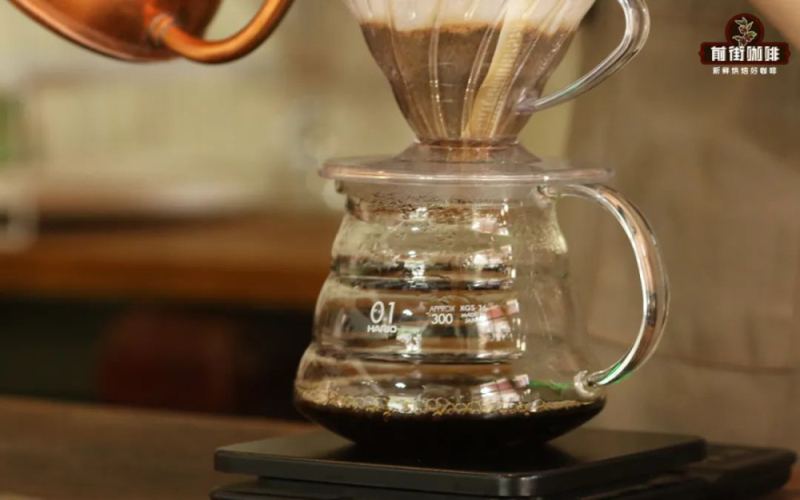
How should the water volume for each pour be scientifically configured when making pour-over coffee with staged pouring?
Segmented pouring in pour-over coffee seems simple, but in reality, even subtle changes in the water volume of each segment leave their mark in the cup. Many friends new to pour-over are often puzzled: how exactly should the water volume after blooming be divided? And in what direction do different distribution schemes take the flavor? Front Street used the Yirgacheffe Gote Gote as a sample and designed three comparative experiments, fixing the dose at 15 grams, the coffee-to-water ratio at 1:16, medium-fine grind, and water temperature at 91°C, changing only the water volume ratio between the second and third pours, to observe how acidity, sweetness, mouthfeel, and finish trend. The experiment also revealed the potential impact of the relationship between the height of the coffee bed wall and the water level on extraction uniformity, and offers reference ideas for flexible adjustment in actual practice. [more…]
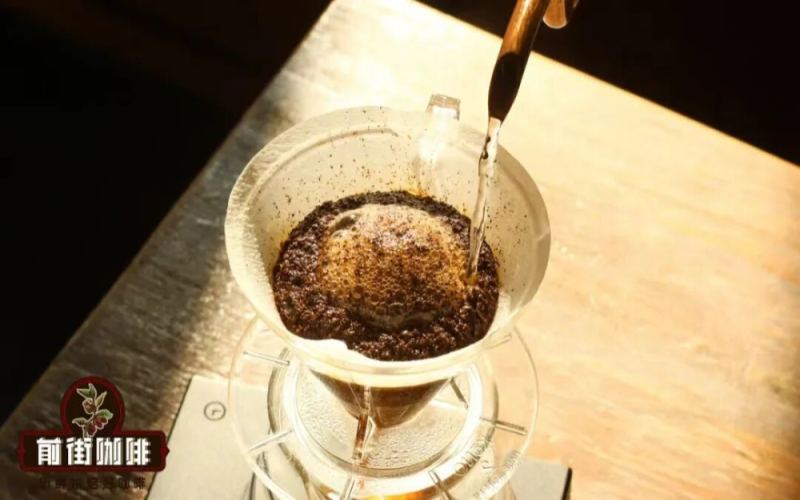
Bloom Time | Why is blooming necessary when making pour-over coffee? What effects does the length of the bloom time have on the taste of the brewed coffee?
"How big of a difference can there be between coffee with a 30-second bloom and a 60-second bloom?" This was a question a friend asked Front Street Coffee yesterday. I have to say, this question is actually quite interesting! As we all know, blooming is a routine step in pour-over coffee. Specifically, before the official pour, we pre-pour [more…]

How to determine the pouring ratio for the three-stage pour-over method? A practical analysis of water distribution between the second and third pours
The three-pour method is a common pouring technique in pour-over coffee, but many enthusiasts are unclear about how exactly the water should be divided between the two pours after the bloom. This article uses 15 grams of coffee at a 1:15 coffee-to-water ratio, selecting Front Street 2013 Yunnan Arabica Typica for a comparative experiment, setting up three schemes: a larger second pour, two equal pours, and a larger third pour, and analyzes the flavor differences in terms of acidity, body, and aftertaste. The experiment shows that the more water allocated to a given pour, the higher the extraction efficiency of soluble substances during that stage, and that the height of the coffee bed wall and the rate of water level descent are key references for judging the pouring rhythm. [more…]
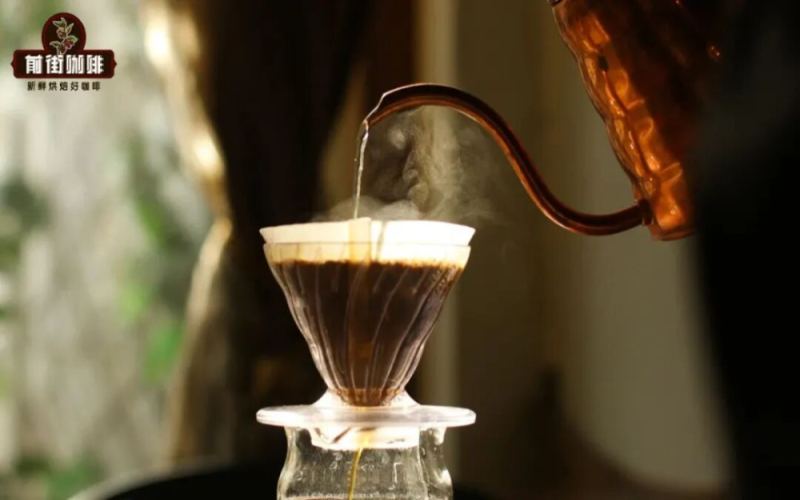
Coffee Extraction Experiment: Can Brewed Coffee Liquid Be Re-brewed? A Comparative Test of Beans with Different Roast Levels
Pour-over coffee is usually extracted only once, but recently a method called "double pour-over" has attracted attention—pouring the already-brewed coffee liquid back into the coffee bed in the dripper for a second extraction, which is said to make the coffee sweeter. Front Street Coffee specially designed a set of comparative experiments for this, selecting three single-origin beans with different roast levels and conducting regular pour-over and second-round re-pouring respectively, comparing them one by one across dimensions such as aroma, acidity, body, and finish. The experimental results show that, provided the beans are of good quality and the parameters are properly controlled, second-round re-pouring can indeed enhance intensity, but not all roast levels are suitable. This article will present the complete experimental process, brewing parameters, and flavor comparison results, and provide suggestions for bean varieties suitable for trying double pour-over. [more…]
How Does Pour-Over Coffee Water Flow Rate Affect Extraction Flavor? Testing the Difference Between 3ml/s and 6ml/s
Will the pouring speed of pour-over coffee actually change the flavor direction of a cup of coffee? Front Street Coffee used Ethiopian Huakui beans as the sample, keeping the coffee dose, grind size, water temperature, and coffee-to-water ratio fixed, and adjusting only the pouring rate of the second stage—injecting 120 ml of hot water at 3 ml per second and 6 ml per second respectively, with two brews for each to compare. The experiment recorded extraction time, coffee bed condition, concentration, and extraction yield data, and compared the sweetness, acidity, and layering performance. The results showed that a slower pour can indeed extract more substances, but neither brewing method produced negative flavors, and the differences were mainly reflected in berry sweetness and the liveliness of acidity. This article will present the complete experimental process and data to help enthusiasts understand the true impact of pouring speed. [more…]
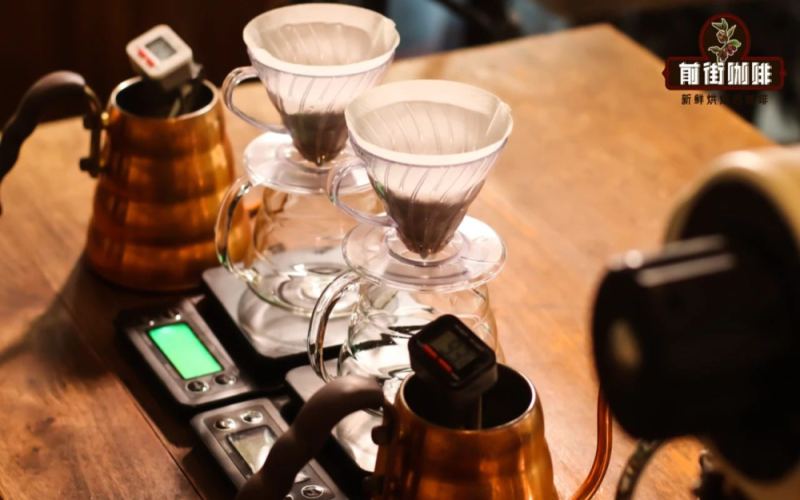
Pour-Over Coffee Techniques Explained | What Is the One-Pour Method? How Does It Differ from the Three-Stage Pour? Which Brews a Better Black Coffee?
For more specialty coffee knowledge, please follow: Front Street Coffee (Frontsteet Coffee). One of the great joys of pour-over coffee is using different brewing techniques to interpret a cup of coffee. And as for pour-over methods, I believe everyone pays close attention. So the most widely spread pour-over technique at present is the one-pour method. [more…]
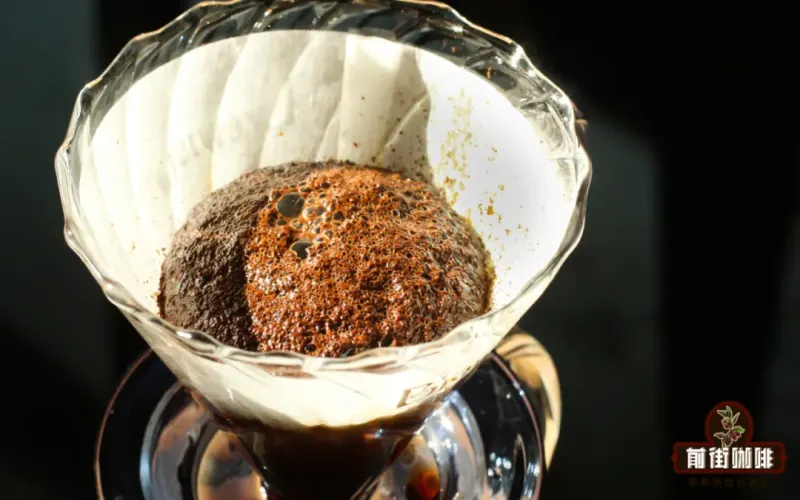
Will an excessively long bloom time in pour-over coffee lead to under-extraction? An experiment comparing the extraction yield difference between 30-second and 90-second blooms.
Many coffee enthusiasts have heard the claim that a long bloom time can lead to under-extraction. This idea seems to contradict our usual understanding of what blooming does. Blooming is meant to release carbon dioxide and improve extraction efficiency, so why would a longer bloom time actually lower the extraction yield? In this article, we compare brewing experiments with two bloom durations—30 seconds and 1 minute 30 seconds—measuring concentration, extraction yield, drawdown speed, and water temperature changes, in an attempt to reveal the true relationship between bloom time and extraction results, and to explore under what extreme conditions an overly long bloom might actually cause under-extraction. [more…]

Coffee Brewing Methods | How Big Is the Difference Between Pour-Over and Espresso? Which Coffee Beans Are Best for Pour-Over Beginners?
Nowadays, when you go to a coffee shop, most shops offer both pour-over coffee and espresso. Friends who don't drink coffee very often may be confused by this. They're both coffee, so what's the difference? Front Street Coffee is here to explain these two types of coffee respectively. [more…]
Pour-Over Coffee vs. Espresso Machine: Extraction Principles, Workflow, and Flavor Comparison
When you go to a coffee shop, you often see both pour-over coffee and espresso on the menu—so what exactly is the difference between the two? From the perspective of Front Street Coffee, this article systematically sorts out the 9-bar pressure extraction process of espresso and the pressure-free free-fall extraction method of pour-over coffee, comparing their respective characteristics and suitable scenarios. It also introduces in detail the three-stage pouring technique for pour-over, and, using Front Street Ethiopia washed Yirgacheffe G2 as an example, provides specific brewing parameters and flavor descriptions, helping beginners build an understanding of regional flavors and find the type of coffee that suits them. [more…]
Pour-Over Coffee Powder-to-Water Ratio and Three-Pour Extraction Tutorial: Which Starbucks Pour-Over Is Worth Drinking
To brew a pour-over coffee with clear flavors, the coffee-to-water ratio, grind size, and pouring rhythm are all indispensable. Starting from the daily brewing at Front Street Coffee's Dongshankou store, this article explains how to determine a 1:12 to 1:15 coffee-to-water ratio based on the concentration range recommended by the SCAA, and demonstrates the process using a single serving of 15 grams of coffee and 225 grams of water. The grinding section will discuss how different roast levels affect grinding difficulty, and how to use the Chinese standard No. 20 sieve to judge the passing rate. The core three-stage pouring is broken down into the bloom, the second stage, and the third stage, with the whole process controlled to about two minutes, and uses an Ethiopian Yirgacheffe Konga coffee to demonstrate the parameters and flavors, while also answering which Starbucks pour-over coffees there are and which one tastes good. [more…]
How should pour-over coffee extraction time be determined? The controversy and practical recommendations on whether blooming should be timed
When brewing pour-over coffee, the timer function on a digital scale is often overlooked, yet it is crucial for judging extraction results. Front Street Coffee recommends keeping the total extraction time at around 2 minutes, in practice falling between 1 minute 50 seconds and 2 minutes 10 seconds. However, there is disagreement over when to start the timer: should it begin the moment water is poured, or should the clock only be started after pouring is finished? Front Street believes that extraction begins the instant the coffee grounds touch water, and therefore insists on timing from the very first second of pouring. This article builds a pouring model around time milestones, explaining how to troubleshoot issues such as flow rate and grind size through segmented timing, making time an effective diagnostic tool for brewing. [more…]

Step-by-Step Guide to Pour-Over Coffee|Do pouring technique and blooming affect the flavor of pour-over coffee? Which pour-over brewing method is suitable for coffee beginners?
Front Street often encounters many pour-over beginners asking a question: Why does pour-over coffee need blooming? The most indispensable step in pour-over coffee is the blooming phase. The purpose of blooming is to allow the coffee to release gases and ensure even extraction, and it also clearly reveals whether the beans being brewed are fresh. Front Street focuses on freshness [more…]
Colombia Huila Pour-Over Techniques Explained: A Complete Guide from Terroir to Three-Stage Extraction
Colombia, as the world's second-largest coffee producer, is known for the specialty coffee from its southern Huila Province, celebrated for its caramel sweetness and delicate berry acidity. Front Street Coffee selects washed Caturra from Huila Province and uses a medium-dark roast to bring out nutty and dark chocolate notes. This article will begin with the history of coffee cultivation in Colombia and the characteristics of its producing regions, then explain in detail the roast profile of this bean, and teach you step by step how to brew the best flavor using the three-pour method. Whether you are a beginner just getting into pour-over or an enthusiast looking to refine your technique, you will find practical parameters and key operating points here. [more…]
Basic Knowledge for Pour-Over Coffee Beginners | Is Blooming Essential in Pour-Over Coffee? What Is the Purpose of Blooming Coffee Grounds by Pouring Water? How Do You Adjust the Coffee-to-Water Ratio in Pour-Over Coffee?
Front Street Coffee often encounters many pour-over beginners who ask a question: Why does pour-over coffee need blooming? The most indispensable step in pour-over coffee is the blooming stage. The purpose of blooming is to allow the coffee to release gases and ensure even extraction, and it also clearly reveals whether the beans being brewed are fresh. Front Street Coffee focuses on fresh [more…]
How to Master the Timing of Pulsed Pouring in Pour-Over Coffee? A Detailed Guide to the Water Volume and Time Nodes of the Three-Pour Method
Segmented pouring is a common yet difficult-to-master method in pour-over coffee, with the challenge lying in judging when to stop pouring and when to pour again. This article uses Front Street Coffee's three-stage brewing as an example to explain in detail the techniques for judging pouring checkpoints. The article points out that you should not wait for the water to finish flowing before pouring again; subsequent pours should bring the coffee bed height to exactly the same level as the previous stage to ensure even extraction. Using 15g of coffee grounds as an example, the first stage is blooming, pouring 30ml of water and waiting 30 seconds; the second stage pours water to 1/2 of the short rib, with a reference water amount of 120ml, taking about 55 seconds to 1 minute; the third stage involves observing the water level dropping, and when it falls to 1/2 between the coffee bed and the filter wall, pour 90ml, with a reference time of 1 minute 10 seconds to 1 minute 15 seconds; pouring ends at about 1 minute 30 seconds to 1 minute 35 seconds, and the coffee liquid finishes flowing at about 2 minutes to 2 minutes 10 seconds. The logic for four-stage pouring is the same. [more…]

How does the timing of pouring in the three-pour pour-over method affect flavor? A comparative experimental analysis of light roast vs. medium-dark roast
When using a three-pour method for pour-over coffee, should the third pour wait until the water has fully drained, or should it be added before the water level reaches the bottom? Front Street answers this through two sets of comparative experiments. First, lightly roasted Yirgacheffe Geddid was brewed with continuous and interrupted pouring respectively, and the total time differed by 10 seconds, with slight differences in aroma and acidity, but the overall difference was not significant. Then the test was repeated with medium-dark roasted Papua New Guinea Bird of Paradise, but the interrupted-pour cup showed obvious bitterness. The reason is that medium-dark roasted beans are loose in texture and have a low margin for error, so bitterness-prone compounds are easily over-extracted when the time is prolonged. The article ultimately points out that interrupted pouring is not unworkable; the key is to pair it with corresponding parameters, such as the coarse-grind 46 brewing method. [more…]
A Complete Guide to Blooming and Pouring in Pour-Over Coffee: Degassing Principles, Key Variables, and a Three-Pour Practice Method
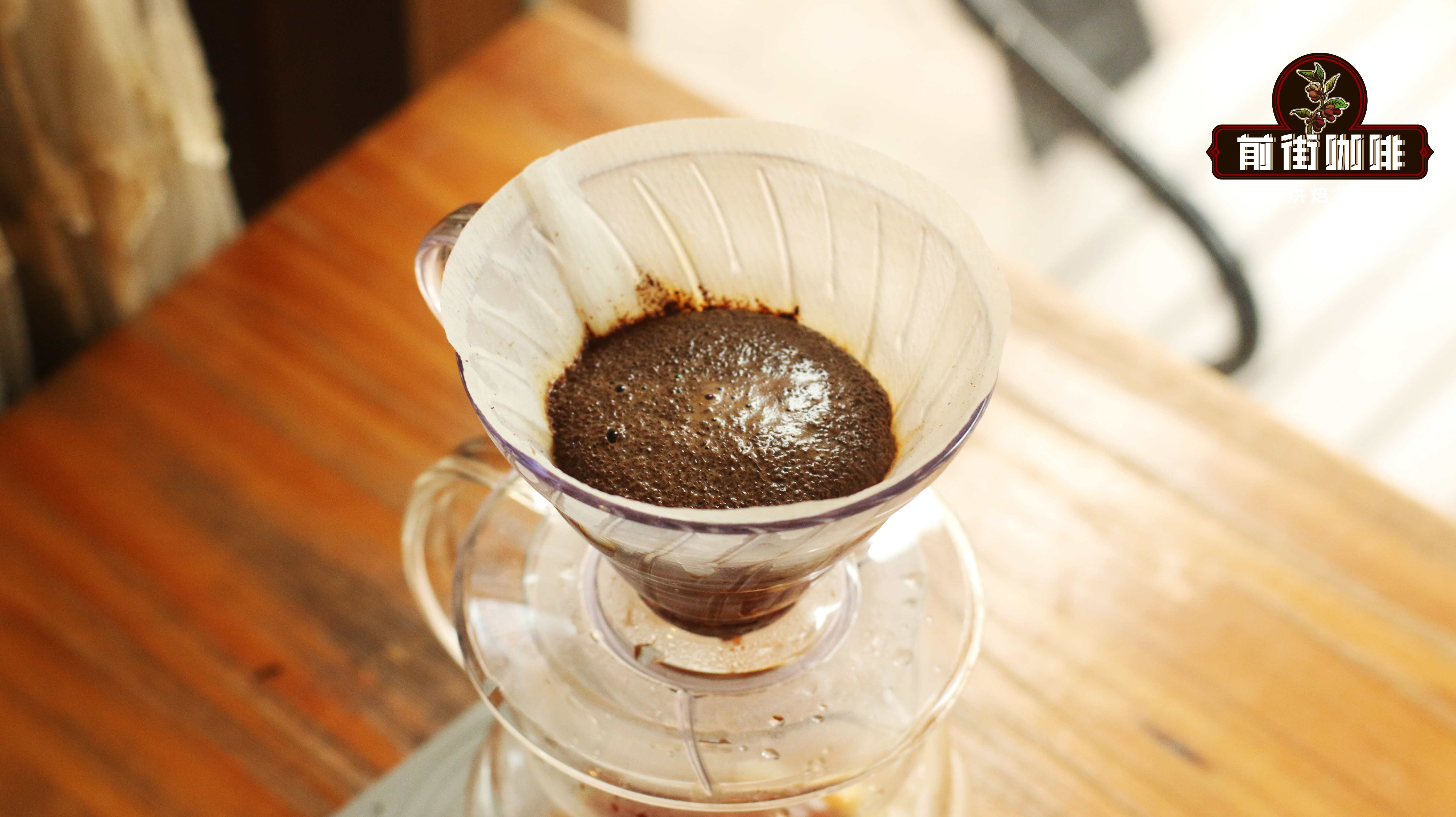
In pour-over coffee, blooming is an indispensable step, as it affects degassing, extraction evenness, and the assessment of bean freshness. Drawing on Front Street Coffee's practical experience, this article breaks down in detail the purpose of blooming and the factors that influence it, including storage time, roast level, water temperature, water volume, duration, and grind size, and explains the complete process of the "little hill" expanding and then collapsing during blooming. The article then provides the specific steps for three-pour brewing: a 30-second bloom followed by two subsequent pours, with the total extraction time controlled at 2 minutes. Finally, through comparative experiments, it analyzes the impact of the number of pours on extraction time and flavor, answering the common question of whether the three-pour method is optimal, and helping coffee enthusiasts build a clearer pour-over logic. [more…]
A Complete Guide to Drip Bag Coffee Brewing: Is Blooming Necessary, Can You Re-Extract, and the Reasons Behind No Foam
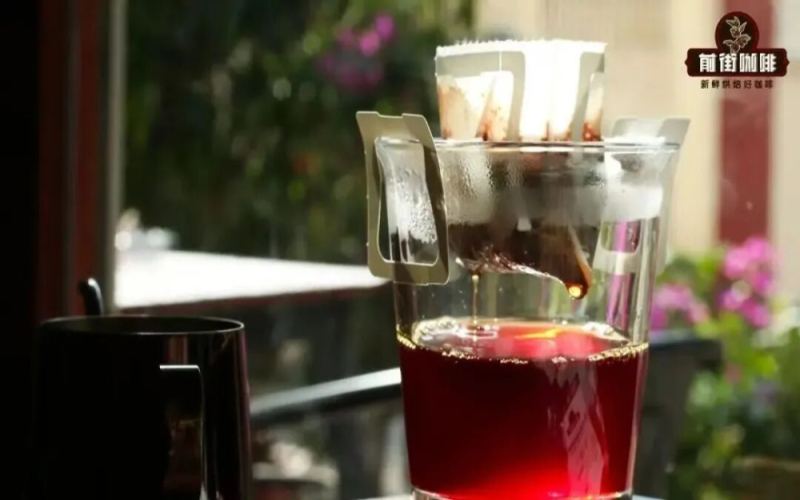
Drip bag coffee, with its convenience and high cost-performance ratio, has become the daily freshly brewed coffee of choice for many people. But with the same drip bag, some brew it so weak it tastes like water, some end up with bitterness, while others can produce something close to pour-over quality. Where exactly does the difference lie? This article addresses the most commonly asked questions about brewing drip bag coffee: precautions for hanging and pouring, whether a gooseneck kettle is necessary, whether the first pour needs a bloom, why the second pour produces no foam, whether the grounds can be extracted twice, and the common reasons the taste comes out too weak. It also incorporates the fresh-roast characteristics of Front Street Coffee drip bag coffee to offer specific operational advice, helping you improve your drip bag coffee brewing on all fronts. [more…]